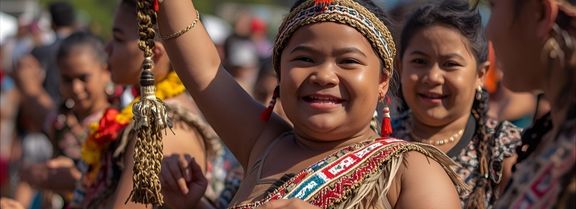
Rotorua, New Zealand — Inside a brightly painted classroom, toddlers sing traditional songs while stacking blocks. Their voices are in te reo Māori, the Indigenous language once feared to be disappearing.
This is a Kōhanga Reo, or “language nest,” part of a nationwide initiative that immerses children in Māori language and culture from infancy. Run by Māori families and communities, these centers ensure that kinship and cultural identity remain at the heart of education.
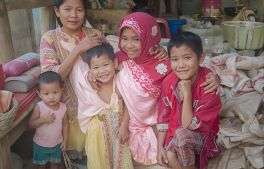
Grandmothers sit alongside teachers, weaving ancestral stories into everyday play. Children leave the program fluent in Māori, confident in their identity, and ready to thrive in mainstream schooling. Parents describe the joy of hearing their children use words their own grandparents once feared would be lost.
Community leader Mereana Rangi shares: “Every child who speaks Māori is a victory. It’s not just language—it’s memory, it’s pride, it’s survival.”
From grassroots beginnings, Kōhanga Reo has grown into a national model, inspiring Indigenous communities worldwide to reclaim language and culture through early childhood education.
This story shows how early childhood programs can be acts of healing and hope. They remind us that education is not only about academics—it is about identity, belonging, and joy.